One of the positives of being on sabbatical this year is having the time to do more reading, writing, listening and reflecting on how we can ensure more inclusive school communities where ALL members feel welcome and have a sense of belonging. We cannot create these communities without talking about systemic inequities (i.e. systemic racism) and creating actions to dismantle these systemic inequities.
As part of this writing and reflective process, I want to share some of the great books, videos, podcast episodes, and social media posts I am finding that can benefit others who share the same commitment to this critical work. Here is installment three of this series of posts…
Podcasts
Bright Morning Podcast – Episode 143 – Disrupting Racism in Coaching Conversations.
This podcast, from Elana Aguilar and her Bright Morning Team, is in my regular rotation, with new episodes dropping every Monday. Anyone interested in disrupting racism would benefit from a listen to this latest episode in which Elana and her Bright Morning teammate Nick Cains tackle how to effectively disrupt racist behavior. There are so many key points in this episode for me. One that really resonates for me as a 50-plus-year-old white man is the one below:
“But what I want people listening to make the connection to and to consider as essential for reflection is you gotta know where you’re coming into this conversation. You have to know who you are, what you’re bringing into it, literally into this conversation, but into the broader exploration of how do we disrupt racism.”
Elana also highlighted her podcast series What To Say When You Hear Something Racist and the companion guide. You can get them both for free here on the Bright Morning Website.
This is a new one that I just came across in the last two weeks. The description from the podcast’s website: SunAh, University of Memphis professor, author, goal-setting coach, and coffee lover, as she catches up with experts from across the country, who are investigating our most pressing social issues and common curiosities. New episodes are published every two weeks on Mondays and the titles of some of the recent episodes are below along with the description from the show’s website.
The Souls of White Jokes with Dr. Raúl Pérez – Jokes are meant to be funny, and studies show the multiple mental benefits of laughter. But, what happens when jokes target marginalized jokes? (from the website description)
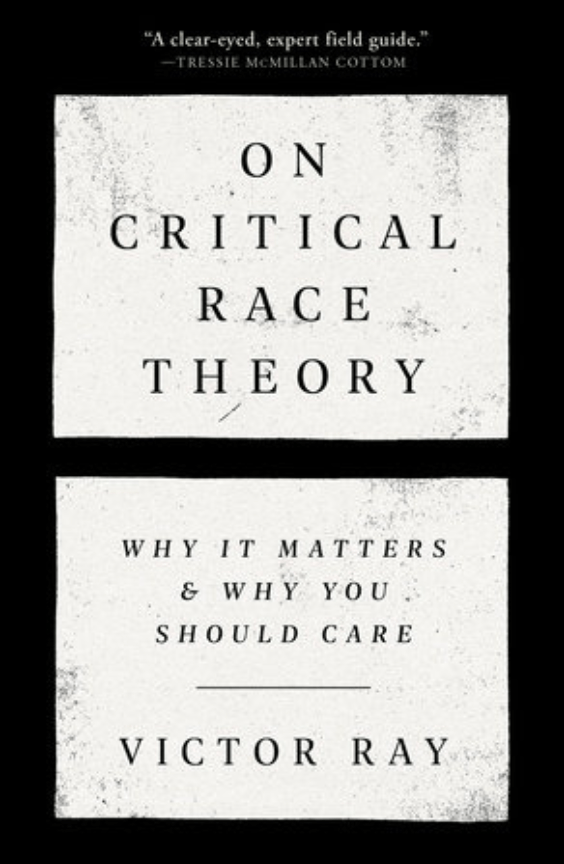
On Critical Race Theory with Dr. Victor Ray – Over the past year, we’ve seen a moral panic around “critical race theory” resulting in changes to K-12 curriculum and legislation around divisive concepts in higher education. But, what exactly is critical race theory? Dr. Ray breaks it down in easy-to-understand language with real-world applications.
Asian American Histories of the United States with Dr. Catherine Ceniza Choy – What are some key events, places, or people in Asian American history? If you struggle to come up with an answer, you’re not alone. Asian American history is a history of erasure and not-knowing. On this episode, SunAh is joined by Dr. Catherine Ceniza Choy, whose latest book, Asian American Histories of the United States, brings to the forefront the many stories of Asian American history – past and present.
What I Am Reading
The Talk Series from the Emancipator – Check out this connected video and the entire series – The Talk: How identity shapes the way we keep our children safe
In case you haven’t heard of The Emancipator, here’s a bit about it from its website: Boston University’s Center for Antiracist Research and The Boston Globe’s Opinion team are collaborating to resurrect and reimagine The Emancipator, the first abolitionist newspaper in the United States, founded more than 200 years ago. The Emancipator is provided without a paywall.
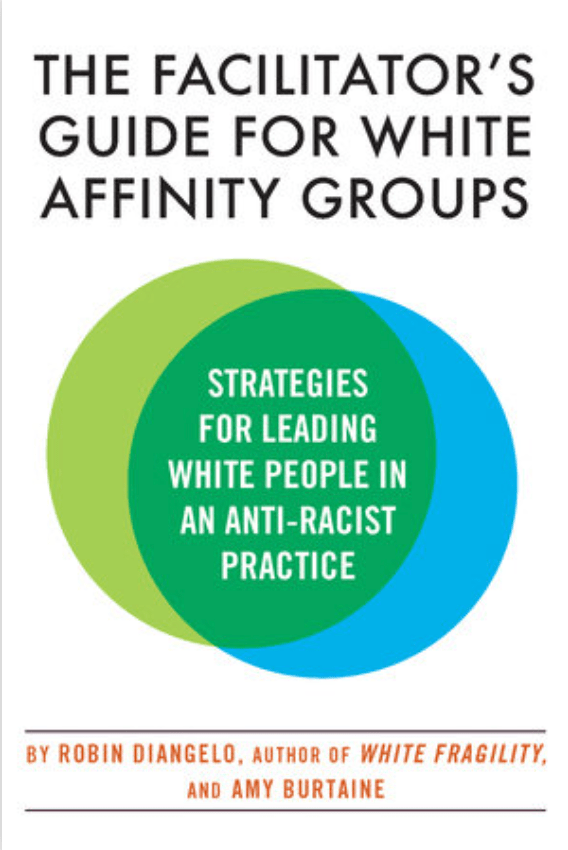
The Facilitator’s Guide For White Affinity Groups – This book co-authored by Robin DiAngelo and Amy Burtaine is geared towards people who would like to facilitate discussions formally in white affinity groups. However, it would also be a great resource for any white people who would like to get better at having conversations with other white people about race and racism.
A couple of quotes from the book that highlights why we need affinity spaces:
“As white people, we are not taught to see ourselves in racial terms; race is what they have, not what we have.”

‘Even when we (white people) commit to change, we face a serious dilemma: We simply do not have the education, self-awareness, or practical skills to challenge racism.”

“White superiority is so normalized for white people that it is very hard for us to see it without sustained practice.”
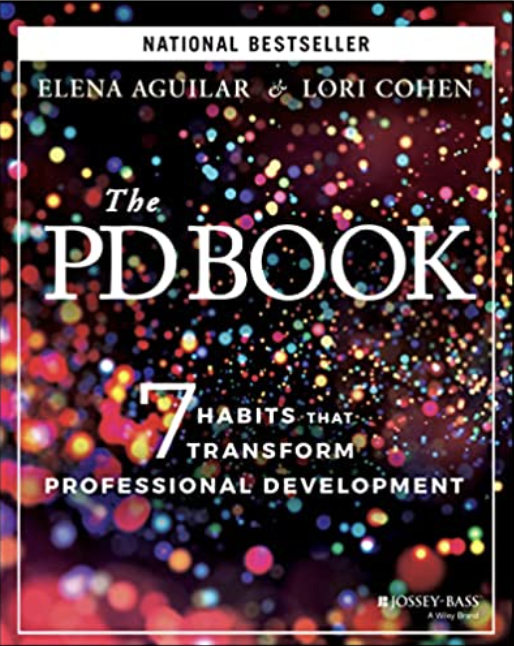
The PD Book by Bright Morning Team’s Elana Aguilar and Lori Cohen –
Unfortunately, in most schools, the letters PD when followed by the word Day do not elicit jubilation or even confidence that the time that will be spent will be worthwhile. In the PD Book, the authors walk through the steps that will help both the leaders of individual sessions and leaders of schools and/or districts who plan Professional Learning to do so with much greater success.
I was sold on the book early on with the following quotes about The Goal of PD:
“Professional development is defined by its impact. PD is successful if, after the learning experience, the learner can do something else, or do something different. PD isn’t PD if the learner doesn’t change, if the learner doesn’t learn.”

“Transformative impact is the result of a shift in behaviors and beliefs.”
Dr. Henry Turner’s Newsletter – Dr. Turner always shares great and timely resources. His most recent newsletter has a number of resources to review as we head into Thanksgiving week for those who celebrate this holiday. He reminds us of the following:
- Thanksgiving is not a celebratory time for everyone, particularly those without family or resources and many Indigenous People.
- We lead our society forward when we move past the historical myths of Thanksgiving.
There are a number of other Thanksgiving resources you can have access to if you sign up for Dr. Turner’s newsletter here.
Professor David J. Silverman on the Thanksgiving Myth – This post comes from Ben Tumin’s Skipped History substack. The interview with Professor David J. Silverman, the author of This Land is Their Land: The Wampanoag Indians, Plymouth Colony, and the Troubled History of Thanksgiving highlights the truth behind the history of Thanksgiving in the United States. Everything I thought I knew as a child was a lie.

 My Un-Learning Journey