-
From Larry Ferlazzo – Thanksgiving Resources – In my massive The Best Sites To Learn & Teach About Thanksgiving, you’ll find quite a few resources included that offer different perspectives from the dominant cultural view of the holiday.
-
From Richard Byrne – “Trying to get all of your students to the same set of websites at the same time can be a frustrating experience for you and for them. Just a mis-typed character or two can create a frustrating experience for everyone in the room. One way to avoid this situation is to post all of your links on one course webpage or in a blog post. Another solution is to use a link bundling service that will group all of your links together into one package. Then instead of sending out a bunch of individual links you can just send one link that will open all of the bundled links for your students. Here are three services that you can use for just that purpose.”
-
I guess education isn’t the only industry struggling to improve PD.
-
From eLearn Magazine: The following considerations should help avoid some of the pitfalls of introducing social media into a course.
-
Important mindset for all of us.
-
From Larry Ferlazzo
-
If I stop for a moment, I always find a gift from God, something to treasure… even on a train. “The Purest Smile” https://t.co/u3oS5jJHrp
-
“7 Surprising Strategies that Elevate Leaders” Worth reading. https://t.co/GCOUBUdnoQ
-
From Penn State – BBookX is a new technology that uses a human-assisted computing approach to enable creation of open source textbooks.
-
#BostonGlobe sez I’ve reached 5 max monthly 0 charge articles. I’ll read @BostonHeraldHS @BosHeraldSports for free. https://t.co/bxTy9o7QNH
-
Not sure how to set parental controls on iPhone? Learn how: https://t.co/2zSGzZb2jW https://t.co/sQDjBBw4Ty
-
Good slide from Tim Holt showing the reality of the digital world and businesses
-
From Tom Vander Ark – ” New tools and new schools are being developed at a dizzying pace. Here’s a few things we’ve seen in the last 60 days. And, to borrow a phrase from my friends at 4.0 Schools, I’ve tried to capture their “Future of School Hypothesis.”
-
Please check out our own Board Member and Cambridge City Councilor Nadeem Mazen’s powerful words on Islam and the… https://t.co/dd91sgoOvy
Category: Uncategorized
My Weekly Diigo Bookmarks (November 22, 2015)
-
From Tom Vander Ark – Sophisticated organizations have long used blended learning strategies to accelerate professional growth and provide real-time learning. The postsecondary landscape is being transformed by blended, personalized and competency-based learning opportunities. The requirement for lifelong learning in most careers is being translated into stackable credentials and professional portfolios.
-
A growing body of evidence points to the importance of teaching children how to manage their emotions and behaviors. Known as social and emotional learning (SEL), the development of these noncognitive skills, like self-motivation and grit, is linked to better academic performance, higher college retention rates and increased employment and wages. These abilities lead to improved health and well-being as well, including a lower risk of substance abuse, obesity and criminal activity.
-
A look inside the life of teenagers in today’s digital world.
-
A firsthand account of this humanitarian crisis.
-
Opening presentation at #bv1to1 via @JohnKClements https://t.co/3zhsWZ9ZlM #mursd
-
EdTech Is Maturing https://t.co/DEJSYGH7vc #edtechchat #ettipad #edtech https://t.co/i0P5tZxQAb
-
Hey #ettipad check out this playlist of Did You Know videos – it contains some of the stuff I demoed yesterday! https://t.co/aGsTQVCHmD
-
Dramatically Improve your Blog Quality – https://t.co/KMYivARSU5
-
The Bartle Test: a great way to get to know how your Ss think and what motivates them via @dkiang #ettipad https://t.co/Bmz6hBaFCY
-
Looking forward to iLeadership session w/ @patrickmlarkin at #ETTiPad Summit! https://t.co/adaP9O649F #TLPortfolio https://t.co/Jdn9aBTsMh
-
From Peter Greene on the NCTQ Report on Teacher Evaluation – “Let me say that again– this group that has declared itself the arbiter of teacher quality for the country has no career teachers in positions of authority. None.”
-
The debate about what constitutes good math instruction continues in this article in The Atlantic – “The underlying assumption here is that if a student understands something, he or she can explain it—and that deficient explanation signals deficient understanding. But this raises yet another question: What constitutes a satisfactory explanation?”
-
Great example of a school that embraces PBL
-
Interesting look at how Maker Ed can connect to History education
-
From Alexandra Samuel – My recent piece for The Atlantic, Parents: Reject Technology Shame, tackles the question of how to raise kids in a digital world. Data from more than 10,000 North American parents shows that they are deeply divided on this question, and that there are three distinct approaches to navigating technology and managing screen time.
My Weekly Diigo Bookmarks (November 15, 2015)
-
Interesting perspective on Workplace Learning.
-
Great overview of setting up WordPress Blogs in a school community
-
From Edutopia – “Project-based learning (PBL) provides a powerful opportunity for students to reflect on who they want to be and what decisions they want to make. One student says, “[PBL] helps me try to ask questions and find out what everything means. The self-advocacy is a really important part, getting information for yourself.” Teachers who have implemented project-based approaches report that students are empowered when they make personal conclusions about the value of their learning and reflect on the complexity of decision-making.”
-
From Larry Ferlazzo – “ISIS has claimed responsibility for the terrible attacks in Paris. Here are some resources teachers might find helpful in discussing it with students. I will be adding to it as new materials become available.”
-
From Darcy Moore – This is the first in a planned series of posts that each focus on a tool that will be useful to both students and teachers in a BYOD context. The plan is that each posts explores an application or accessory that will really be useful and easy to use. This first one looks at an Optical Character Reader (OCR). ABBY Textgrabber is a useful app when you need to extract text from printed sources easily by using the device’s camera to digitise and share quickly. I have it on my iPhone 6 and iPad. It is not free but certainly is worth …
-
From TED-Ed
-
Great idea to promote literacy
-
Classroom and Teacher Evaluation https://t.co/puqFcPI4jQ via @elaclassroom
-
#today Sunrise from Newcastle, NH. @todayshow @ Great Island Common https://t.co/miZoLE0wtu
Terrorism Has No Religion
Local events in last few weeks brought some negative attention to our community as OUR community’s mosque was vandalized. As I read commentaries on local news sites I was sickened by the overwhelming number of negative comments towards Muslims and the Muslim religion. I can only imagine that this weekend’s attacks in Paris, which ISIS has claimed responsibility for, will lead to more ignorant comments and insensitivity towards Muslims.
One of the resources that I was made aware of this week, was the TED Talk below by Chimamanda Adichie. The following comments at the end of the talk capture the context of her message.
“Stories matter. Many stories matter. Stories have been used to dispossess and to malign, but stories can also be used to empower and to humanize.“
The ignorance that some will show based on the attacks on Paris will seek to malign all Muslims. I continue to have faith that the majority of people will ignore this “single story” depiction of Muslims that those who look to promote hate and fear will preach.
As was stated by a Tweet from the Council on American-Islamic Relations, “Terrorism has no religion.”
My Weekly Diigo Bookmarks (November 8, 2015)
-
“I don’t understand why anybody would ever root for the Dallas Cowboys as long as Jerry Jones is in charge” https://t.co/Ohnb9B8RPa
-
From ASCD IN Service – “Where would our education system be if we invested the dollars for standardized testing in supporting the emotional needs of students?”
-
A look at the self-organized learning environment (SOLE).
-
From the Wall Street Jorunal – “Five years into the biggest transformation of U.S. public education in recent history, Common Core is far from common. Though 45 states initially adopted the shared academic standards in English and math, seven have since repealed or amended them. Among the remaining 38, big disparities remain in what and how students are taught, the materials and technology they use, the preparation of teachers and the tests they are given. A dozen more states are considering revising or abandoning Common Core.”
-
“Talking about your positive goals and dreams activates brain centers that open you up to new possibilities. But if you change the conversation to what you should do to fix yourself, it closes you down.”
-
“Talking about your positive goals and dreams activates brain centers that open you up to new possibilities. But if you change the conversation to what you should do to fix yourself, it closes you down
-
“You need the negative focus to survive, but a positive one to thrive. You need both, but in the right ratio.”
-
That may be why maintaining a positive view pays off for performance, as Frederickson’s research has found: it energizes us, lets us focus better, be more flexible in our thinking, and connect effectively with the people around us.
-
Boyatzis makes the case that understanding a person’s dreams can open a conversation about what it would take to fulfill those hopes. And that can lead to concrete learning goals.
-
Often those goals are improving capacities like conscientiousness, listening, collaboration and the like – which can yield better performance.
-
don’t focus on only on weaknesses, but on hopes and dreams. It’s what our brains are wired to do.
-
-
Many Massachusetts schools are using technology to monitor students, collect personal data about them and share that data in ways that raise troubling questions about student privacy, according to a new study from the American Civil Liberties Union of Massachusetts. The study, released Wednesday, examined 35 school districts across the state, including Boston, Springfield and various rural and suburban districts. Almost universally, the study found, students in those districts have “no expectation of privacy” when going online in school; many are similarly unprotected when using school-issued electronic devices, such as Chromebooks or iPads.
-
“If you’re going to lead a school or other organization, it might be smart to give some thought to what it means to be a good leader. But that fact doesn’t explain why some schools proudly announce that they train their students — every last one of them — in the art of leadership. What’s up with that?”
-
Thanks @patrickmlarkin Great resource! #satchat https://t.co/cTlJlJRNq6
A Touching Response to Intolerance #WeAreAllBurlington

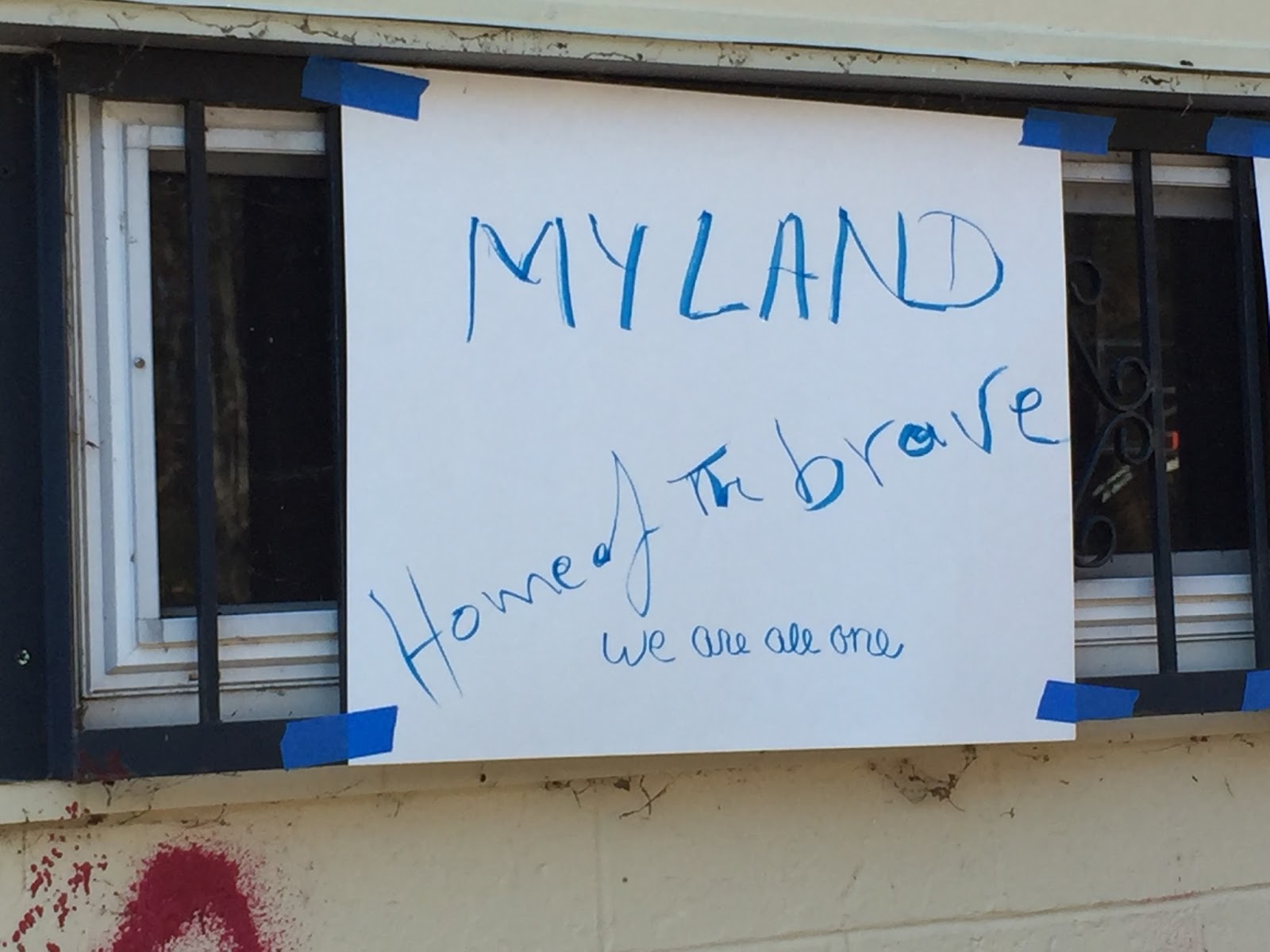
We often hear people talking about accentuating the positive and not letting negative acts impact us. While these words are great, the true test comes when people are confronted by unwarranted negative actions intended to demean them. As community members in Burlington have seen and heard, the members of OUR local mosque (The Islamic Center of Burlington) had their place of worship defaced this past weekend with USA painted multiple times on its outside walls and sign.
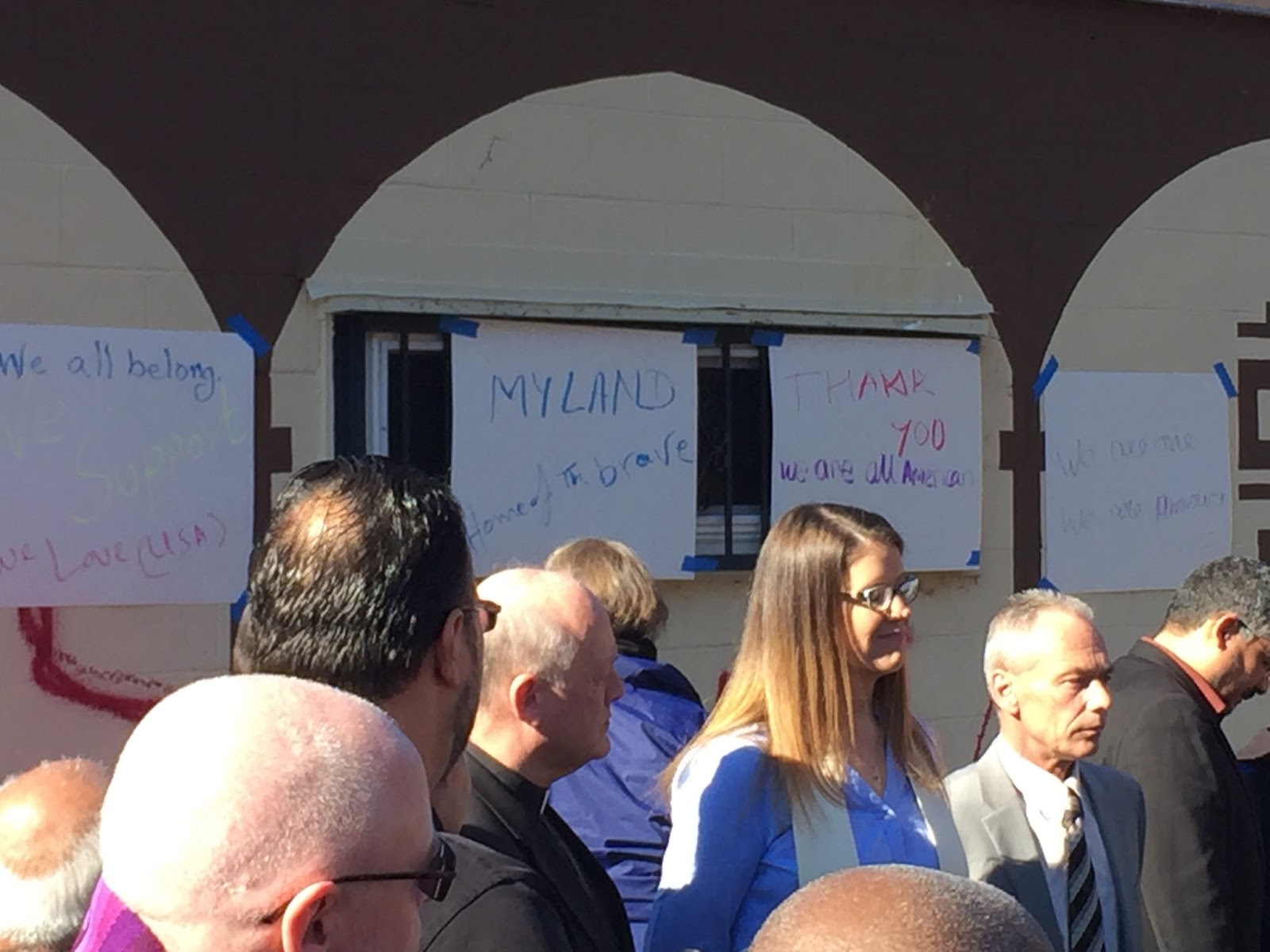
Today the Islamic Center of Burlington responded with the ultimate show of positive energy in the face of this hateful act with an interfaith event “We Are All Americans” where members of the entire community were able to come together and show their support for the members of OUR local mosque. It was inspiring to to see how OUR community members responded to this ignorant act. Our local interfaith clergy group brought together representatives of each of the local places of worship as well as town and state officials. Most important, in my opinion, was the manner in which the Islamic Center of Burlington welcomed all with open arms, giving those in attendance to stand together in support of OUR neighbors who were targeted by intolerance.
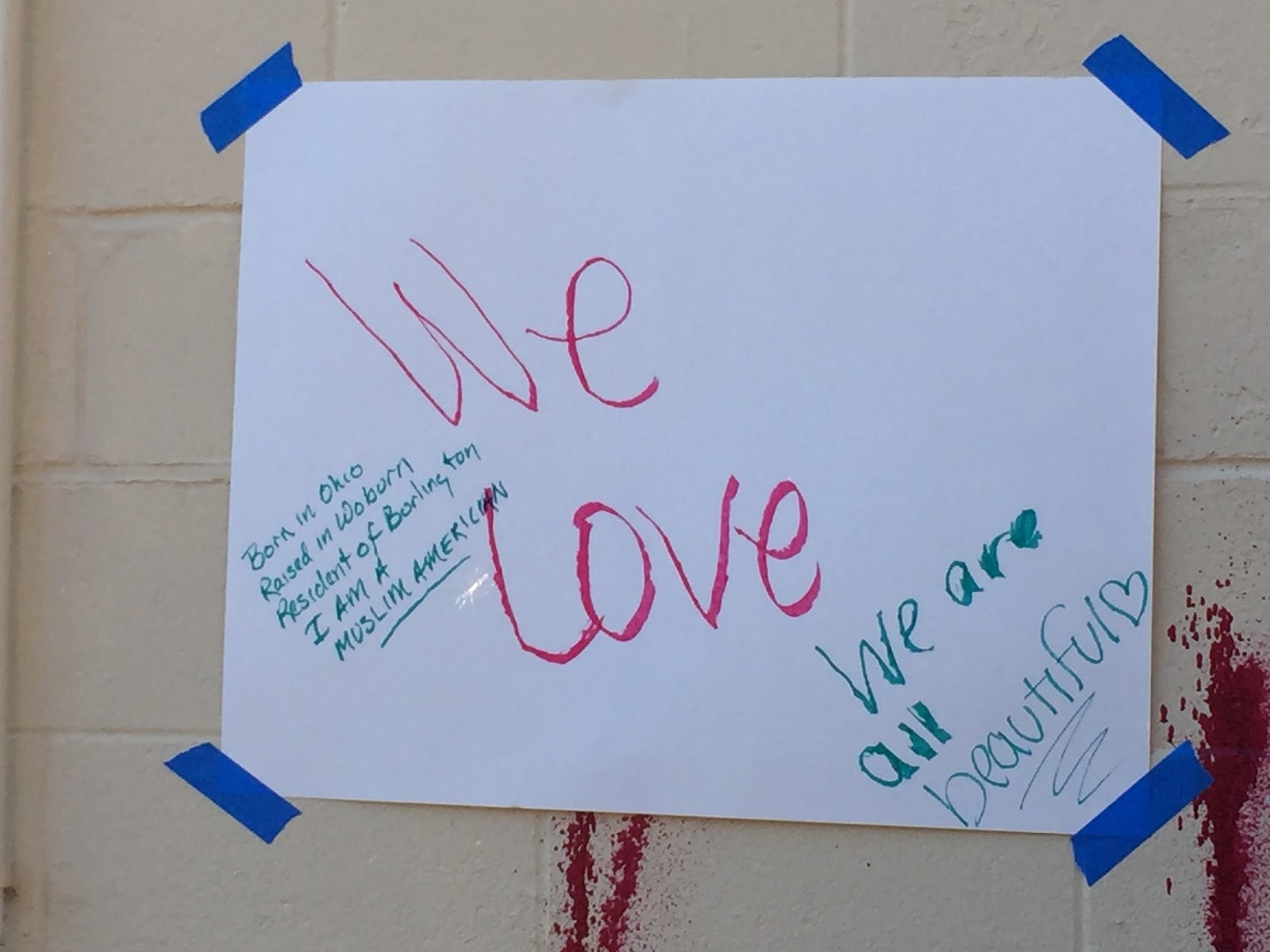
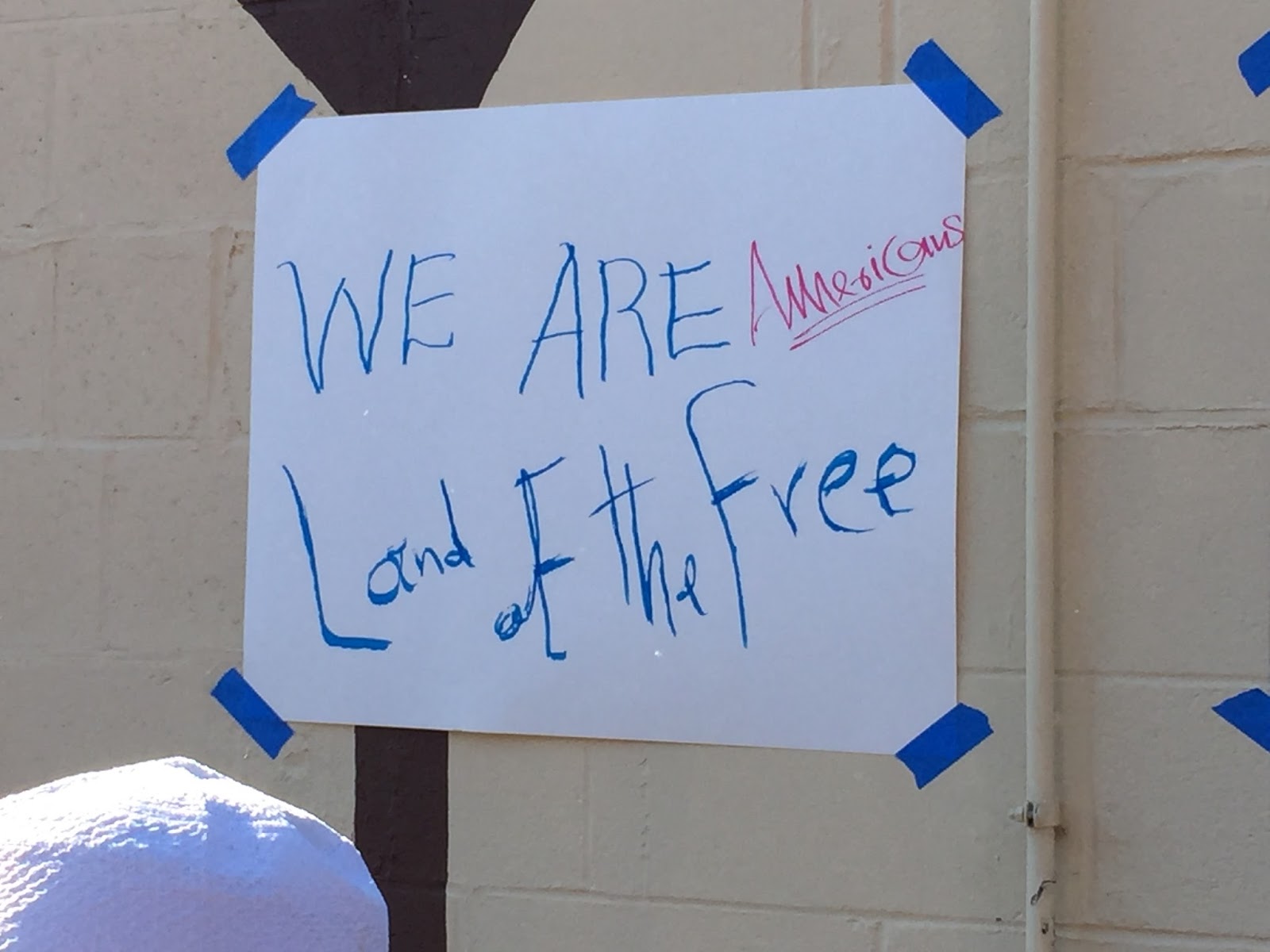
The pictures below show the manner in which the members of the Islamic Center of Burlington chose to respond to this incident. They posted their own comments surrounding the spray painted USA which showed how they feel about their community and their country and turned this ignorant act into a touching display of Patriotism.
#WeAreAllBurlington



My Weekly Diigo Bookmarks (November 1, 2015)
-
The Paradoxes of Education Innovation
From Ben Grey “nnovation is a beautifully romanticized notion. It brings to mind thoughts of amazing individuals like Thomas Edison, Steve Jobs, and Marie Curie who so daringly defied and displaced the status quo. And therein lies the problem. – See more at: http://bengrey.com/2015/10/the-paradoxes-of-education-innovation/?utm_content=bufferb56e7&utm_medium=social&utm_source=twitter.com&utm_campaign=buffer#sthash.WhTSKjVg.dpuf
-
Great read @patrickmlarkin interviews @gcouros #innovatorsmindset https://t.co/7GmQl4DAed
-
U.S. Technology Device Ownership 2015
From Pew Research Center “68% of Americans have smartphones; 45% have tablet computers. Ownership of other digital devices has not grown in recent years.”
-
From The Atlantic – “Black students in the Palmetto State are more likely to be punished and more likely to be subject to corporal punishment, which remains legal there.”
-
Fact Sheet: Testing Action Plan
President Obama’s initiative for less testing
-
Cesar Harada: How I teach kids to love science
At the Harbour School in Hong Kong, Cesar Harada teaches citizen science and invention to the next generation of environmentalists. He’s moved his classroom into an industrial mega-space where imaginative kids work with wood, metal, chemistry, biology, optics and, occasionally, power tools to create solutions to the threats facing the world’s oceans.
-
Improving Your Teaching Through Student Feedback
How can we improve our lessons? When do we know what works and what doesn’t? In today’s show, Dean Shareski talks candidly about student feedback and the role of self-reflection in teaching. Improve the craft of teaching by incorporating his suggestions in your classroom routines.
-
Some Ideas for Personalizing Learning in the Younger Grades –
-
8 Online Learning Trends that are Changing the Learning Landscape
From Getting Smart – “we see eight trends–some emerging from K-12 providers, some from HigherEd–improving the opportunity to learn online.”
-
you are only as good as your network
From Harold Jarche: “It was only through working out loud, learning out loud, and engaging the networks and communities that I had already developed, that I was able to accomplish the objective. In the end, I realized I was only as good as my network.”
-
Educational Leadership:Doing Data Right:Eliminating the Blame Game
-
Obama plan limits standardized testing to no more than 2% of class time
The White House said Saturday the proliferation of testing in the United States — a problem the administration acknowledged it has played a role in — has taken away too much valuable time that could be better spent on learning, teaching and fostering creativity in schools. To curb excessive testing, Obama recommended limiting standardized exams to no more than 2% of a student’s instructional time in the classroom.
-
Beau Lotto – Understanding Perception: How We Experience the Meaning We Create on Vimeo
Beau Lotto’s research into perception has shown that we don’t see the real world—just our version of it. It’s a version we’ve evolved to perceive, where shadows, shapes, and even how we understand time are meanings we ascribe to what we’re seeing. Our senses are telling us stories about the world—and we can control those stories to change our perceptions and ourselves.
-
Russ on Reading: Should Reading Be Taught in Kindergarten?
“it is part of the work of children in kindergarten and, therefore, part of the responsibility of kindergarten teachers to make sure that every child is ready to become a successful reader. Most of this work can be accomplished through structured play. Here is the literacy knowledge that rising first graders should take with them from kindergarten.”
-
Dear USDOE, Testing Disaster Is Yours, and You Still Don’t Get It: A Reader
-
Where did Obama administration’s 2 percent cap on standardized testing come from?
From the Washington Post – “The Obama administration has issued a Testing Action Plan that it says should help reduce over-testing in public schools. That plan includes a cap of 2 percent on the classroom time students spend on mandated standardized tests.”
-
How To Design A 21st Century Assessment –
From Mike Fisher – “Contemporary curriculum design involves multiple facets: engaging 21st Century skills, using digital tools, collaborating with others around the globe, performance tasks, and more. Getting these design elements into a teacher’s current curriculum demands that teachers create professional habits around Replacement Thinking. In my book Digital Learning Strategies, I describe four considerations for Replacement Thinking around assessments. In a nutshell, those considerations include:
-
Celebrating Your School’s Cultural Diversity
Great idea for a school culture night from Edutopia
-
Towards Maturity 2015 benchmark shows just how much we’ve got stuck
Seeing clear connections to adult learning in schools. – “The problem, for the call (to change) seems only to be heard by the already converted.”
-
“One of the crucial leadership skills for today and future is ability to learn constantly from various high quality sources, synthesizing information and collaborating with a community to get a better grasp of the constantly changing reality.”
-
Helping Students Develop Resiliency and Emotionally Healthy Behaviors | ASCD Inservice
From ASCD InService – “It wasn’t until a site visit last February to a high-performing elementary school in southern Oregon that PBIS clicked for the teachers. During the site visit, staff saw students just like those at Sandy Grade interacting with others and working together in a positive manner. That led staff to ask, “What’s the secret? How are you getting your students to persevere through challenges, work hard, and get along well with others?” The secret? “
-
Leverage Inquiry Projects to Combat Bullying | Edutopia
Inquiry projects will get students to examine the causes and consequences of bullying and encourage them to generate their own solutions for change.
-
Teens Need More Sleep, But Districts Struggle to Shift Start Times – Education Week
-
Editing a Periscope Video & Rotating Before Posting to YouTube
-
Our high school kids: tired, stressed and bored
From USA Today – “New survey findings suggest that when asked how they feel during the school day, USA high school students consistently invoke three key feelings: “tired,” “stressed” and “bored.”
My Weekly Diigo Bookmarks (October 25, 2015)
-
From Kerry Gallagher – “There is both excitement and criticism around the paperless classroom movement. Both camps have good intentions, but neither is focused on the right thing. It isn’t about paper, or the lack of paper. It is about what the tech makes possible when learners push themselves to get creative.”
-
From the Hechinger Report – “Rich kids get steered into more demanding math classes while poor kids get less challenging content”
-
From the Atlantic – “High-school textbooks too often gloss over the American government’s oppression of racial minorities.”
-
From the US Dept. of Education
-
From Vox – “Bernie Sanders loves to talk about Denmark’s liberal policies, including free higher education. But for his plan to make tuition free at public colleges, there’s a better comparison: Scotland, which abolished tuition fees in 2000.”
-
“Today I read a newsletter from my children’s elementary school. It said 60% of the jobs our middle schoolers learn habit of future workforcechildren will be competing for have not been invented yet. The school district has prepared “6 Habits of Mind” to equip the kids of the future of work.”
-
Student led #EdCamp Period Video from our MS! https://t.co/HLq9UhVjYJ @patrickmlarkin @coolcatteacher @dalston411 @SchleiderJustin @mrnesi
-
Great resources for research from EdTechTeacher
-
Great tutorial on how to use Diigo
-
Great resources for teachers thinking about starting a class Twitter account from Alice Keeler.
-
From ASCD In Service
-
Great resource from the JFK Library
My Weekly Diigo Bookmarks (October 18, 2015)
-
Investing in leadership capacity: The amazing, wonderful District 59 | Dangerously Irrelevant
From Scott McLeod
-
Three Examples of Using Instagram in K-12 Settings
A look at some ways to incorporate Instagram i the classroom
-
MoocNote 2.0 – More Features for Creating Video Lessons
From Richard Byrne You can now build video lessons on MoocNote by using videos from your Dropbox or Google Drive account. This is a huge enhancement for teachers who work in environments that block YouTube. It’s also great for anyone who has made his or her own videos and wants to add interactive question elements to them.
-
Using Flipboard to Curate Tweets From my Staff — Medium
“Using Flipboard to Curate Tweets From my Staff” by @timlauer #ce15 #edtechchat https://t.co/AXAJRw50lV
-
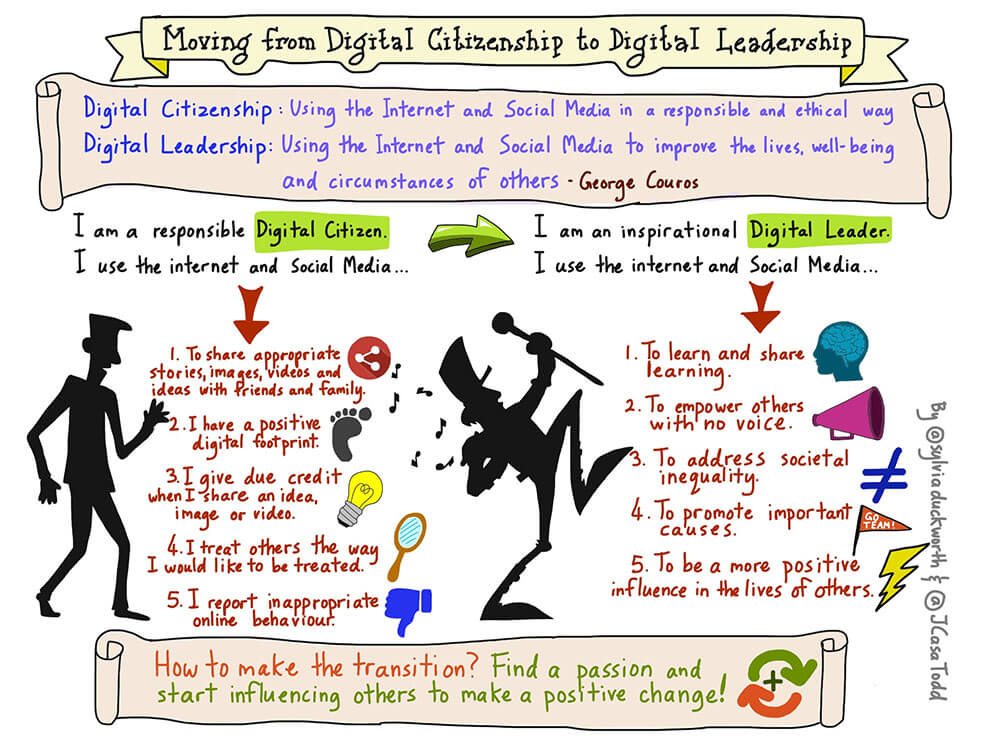
Moving from Digital Citizenship to Digital Leadership
Great visual on how we need to support students. But the teachers need to get their first and also share exemplars
-
What Close Reading Actually Means
Great stuff from the late Grant Wiggins –
-
From Mashable – In today’s technology-infused world, the executive assistant of today is the “avatar relationship manager” of tomorrow. Job descriptions on reed.co.uk, now include responsibilities and buzzwords that may not even have existed as few as five years ago.
-
Beyond ‘turn it off’: How to advise families on media use
In a world where “screen time” is becoming simply “time,” our policies must evolve or become obsolete. The public needs to know that the Academy’s advice is science-driven, not based merely on the precautionary principle.
-
Charter school to study ‘What learning matters most’
They hope to design curriculum and assessment systems that value the diversity of their students…Don’t we all!
-
If you are claiming disruption then, you believe the following three things: A complete, systemic change will overtake the sector The current incumbents will not survive The current incumbents are incapable of dealing with the new world, which will be populated by new entrants.
-
Education Reforms Are Here to Stay
Over the last eight years, largely since President Barack Obama’s election, states have recruited schools chiefs who have ushered in major education policy changes during their tenures. In large part, they were criticized for their brash leadership styles and for asking too much of teachers and students. Most of them have now been replaced by new state superintendents who take on that role with more discretion and sensitivity, and are thought of as being more inclusive of community input – but they aren’t getting rid of the policy changes.
-
A Brief History of the End of the Comments | WIRED
Interesting phenomenon here. Wondering why this is happening…
-
Twitter For Teachers – Part One: The Skittlefall | Blog | Sparky Teaching
#satchat Get colleagues onto Twitter by using candy. It works! —> http://t.co/MJDQ8CWbTu http://t.co/4tM49zu9dI
My Weekly Diigo Bookmarks (October 11, 2015)
-
https://t.co/PpT6wgmA3O @patrickmlarkin g8t example of passion in #education #leadership #CE15 #edchat #suptchat #school #parents
-
Of the 2,000 high school students in Albemarle County Public Schools, only 25 requested lockers last school year
-
@patrickmlarkin here is my post on our Hybrid PD model. Let me know if you have questions or feedback. #cpchat https://t.co/h1jQNAbLK7
-
Kids are anxious, afraid and risk-averse because parents are more focused on keeping their children safe, content and happy in the moment than on parenting for competence.
-
“kids are productive learners when they come to us, and over the course of 12 years, we pretty much turn learning into something they don’t want to learn anything more about. We make it unproductive and disengaging.”
-
From Scott McLeod – It’s late 2015, we’re still overblocking the Internet, and the blame is on us as administrators…
-
If we want staff to collab & be part of a PLC then admin needs to model that. Be part of growth you expect #CPchat https://t.co/lL8GfSOY6g
-
Interesting read – The courses cover too much material and do so too quickly and superficially. In short, AP courses are a forced march through a preordained subject, leaving no time for a high-school teacher to take her or his students down some path of mutual interest. The AP classroom is where intellectual curiosity goes to die.
-
The British publishing giant Pearson had made few inroads in the United States — aside from distributing the TV game show “Family Feud” — when it announced plans in the summer of 2000 to spend $2.5 billion on an American testing company. Read more: http://www.politico.com/story/2015/02/pearson-education-115026#ixzz3ncETzcdc
 My Un-Learning Journey