Preparing Our Students For What Is Ahead With Google’s Apps

Image representing Google as depicted in Crunc...
Image via CrunchBase

Thanks to Ryan Bretag for his blog post on using Google Apps with students.  Ryan, an Instructional Technology Coordinator at Glenbrook North High School near Chicago, shared his thoughts on using Google Apps for students along with some interesting data on colleges that are providing Google Apps for their students. As we enter year two as a Google Apps high school and year one utilizing Google Apps with students in grades K-8, I think Ryan’s words are important for all of us to consider. 

While the world of education seems hell-bent on content and skills, it is vital that the other areas are on equal footing such as guaranteed experiences.
One important experience that I strive to guarantee at the school level is immersion into the realm of Google Apps. The reasons for this are many in the area of life: cloud-based living and management, Internet-minded thinkersmaking learning public, globally connected scholars, Google opportunities, etc. 

But I would be remiss not to mention the importance of this guaranteed  experience for students going to college. According to Google, “seven of the eight Ivy League universities and 72 of this year’s top 100 U.S. Universities (as determined by 2013 U.S. News and World Report’s ranking) have gone Google”.

For those students that identify college in their future, how valuable is this experience in helping with the transition to college? How beneficial is it making that first year a success and moving them into that critical second year, a move that statistically some say is our best predictor of graduating?

Given these Gone Google numbers in college and a world that is expecting our students to function in life with said tools, I see it as a valuable and beneficial experience for students beyond the normal talk of skills. 

Speaking of Google, we are proud to be the host site for the Google Apps for Education New England Summit November 3 and 4 at Burlington High. This will help us all continue to expand our use of these resources better prepare our students for what is ahead.

Enhanced by Zemanta

The Homework Discussion Continues With Thoughts From B.C.

Photo via psychologytoday.com

It has been great reading the feedback on the post I wrote a few days back titled “How Necessary is Homework?” If you haven’t had a chance to read the post and the comments, I hope you’ll take a moment to read it and then add your opinion on the issue. It is imperative that we have open discussions about topics like this that have such a great impact on our students and that we review our practices to ensure that they are accomplishing the outcomes we desired.

Another positive of having this discussion in a web-based setting has been the fact that we have gotten feedback from people in other parts of the world who have had these same discussions. We are truly fortunate to live in a day and age where this type of sharing can take place so easily.

David Truss

One of the links shared came courtesy of David Truss, a school administrator from British Columbia.   David shared a post he wrote back in April of 2011 titled “Homework.” I love how he handled the topic of homework when he was a classroom teacher:

 “As a math teacher, my first lessons were not about Math they were about life. I wrote this formula on the board:

Equal is not equal to fair.

Sometimes certain students didn’t get homework, or they got alternate homework. Some didn’t write the pre-tests, some only did every other question, some only had to do 5 questions, some had to do them all. It’s not fair to give 3 students the same number of questions when one student is bored to death by them, one can do them in 20 minutes and still another student will struggle with them unsuccessfully for an hour… it would be equal, but not fair.”

The differentiation of homework amounts as described by David is definitely something that needs to be looked at closely. I encourage you to read the entire post here and I look forward to reviewing some of the other links on the topic of homework that David cited, including one from Alfie Kohn, one of the most well known advocates for less/no homework.  
I hope people will continue to share their thoughts and links to relevant material on this topic. 
Enhanced by Zemanta

Healthy Homework Guidelines (Video)

The video above starts with Alfie Kohn stating, “Homework may be the greatest single extinguisher of children’s curiosity that we have yet invented.

Whether you agree or not with this powerful statement, the video above from Reel Link Films, the producers of Race To Nowhere, is worth checking out in reference to the discussion on the assigning of homework.  The video discusses the Healthy Homework Guidelines that have been developed.  Check them out below.

1. HOMEWORK SHOULD ADVANCE A SPIRIT OF LEARNING 

Educators at all grade levels should assign homework only when:  

  • Such assignments demonstrably advance a spirit of learning, curiosity and inquiry among students. 
  • Such assignments demonstrably provide a unique learning opportunity or experience that cannot be had within the confines of the school setting or school day.  
  • Such assignments are not intended to enhance rote skill rehearsal or mastery. Rehearsal and repetition assignments should be completed within the confines of the school day, if they are required at all. 
  • Such assignments are not intended as a disciplinary or punitive measure, nor as a means of fostering competition among or assessment of students.

2. HOMEWORK SHOULD BE STUDENT-DIRECTED 

Educators at all grade levels, but particularly in elementary and middle grades, should limit take-home assignments to:  

  • At-home reading chosen by the student. 
  • Project-based work chosen by the student. 
  • Experiential learning that integrates the student’s existing interests and family commitments.  
  • Work that can be completed without the assistance of a sibling, caregiver or parent.

3. HOMEWORK SHOULD PROMOTE A BALANCED SCHEDULE 

Educators at all grade levels should avoid assigning or requiring homework:  

  • On non-school nights, including weekends, school holidays, or winter or summer breaks. 
  • On the nights of major or all-school events, concerts, or sports activities. 
  • When a child is sick or absent from school.
  • When it conflicts with a child’s parental, family, religious or community obligations. 
Enhanced by Zemanta

How Necessary Is Homework? Join the Conversation

Photo via http://survivorpediatrics.wordpress.com/

John Spencer has started a conversation around homework on his blog Education Rethink.  He has written a post titled A Week Without Homework Challenge  where he is asking educators and parents to rethink the assigning of homework for one week.  He has also started an open Facebook Page where parents and teachers can have a running dialogue on this topic.

Here’s an excerpt from his post:

I’ve written before about my belief that homework is far more destructive than constructive. I don’t think it increases learning, adds to motivation or develops a strong work ethic. For a long time, I assigned homework out of a sense that I was “supposed to.” I never questioned it as a practice. After getting rid of it, I remained quiet on the topic. After watching my sons lose necessary playtime and learning time to do extra-duty schoolwork (mostly packets), I grew more vocal.

I have to say after watching my own kids do homework during the first few weeks of school I share John’s sentiments. As I watched my 7th grade daughter try over and over to get all of the countries in Europe plugged into the right spots on an interactive map and a achieve a success rate of 85-percent, my frustration continued to grow.  It was past her bedtime as she tried to achieve the success rate her teacher had required for the sixth or seventh time.

As I sat watching her grow more frustrated with her assignment, I was sure that I would be equally unsuccessful had I been asked to complete the same task. Despite my success as a student at the high school and college level and the attainment of an advanced degree, I feel like my inability to recall the exact location of each of the countries in Europe has not had a negative impact on me.  Therefore, I am left to wonder what my daughter could have been doing with this timeframe of more than an hour that would have been a more meaningful learning experience.  The possibilities are certainly endless…

We have had very limited conversations about this topic in Burlington since the showing of Race to Nowhere last year.  In fact the Race to Nowhere team has written a letter for the National PTA asking the group to challenge schools to rethink the assigning of homework.  I know this is an issue that needs to be discussed more in the district where my children go to school and I think it would be beneficial to have a similar discussion here.

Related articles

Enhanced by Zemanta

This Week’s #PTchat: Raising Student Self-Esteem w/ Angela Maiers

This was originally posted on eFaceToday.:

I hope people from the Burlington community will consider becoming involved with #PTChat on Wednesday night. Please contact me if you have any questions on how to get involved with a Twitter chat.

#YouMatter – These two words hold so much power and potential in supporting kids in today’s world. School students come to us with unlimited potential and oftentimes all it takes is for them to feel a little extra support, confidence and love from their parents and educators to help them rise to the occasion.

This week, we’ve invited @AngelaMaiers to our weekly Parent-Teacher Chat to help provide us the very best strategies in raising self esteem for students everywhere.  Angela’s life path has always been about teaching and communication. Her twenty years as an educator and her passionate pursuit of literacy and learning, gave her a healthy dose of courage and skills that have led to a variety of wonderful experiences, including classroom and University teaching, instructional coaching, research, writing, publishing, corporate training, and starting my own business. More on Angela Maiers can be found on her website here and in her TEDxDesMoines talk below.

Also invited to this discussion is 2012 Blue Ribbon School Principal Tony Sinanis, whose school (Cantiague Elementary), employs multiple “bucket-filling” opportunities for its learning community. We’ll hear from Tony and others on applying these strategies at home and at school.
Please join us on Wednesday night, 9/19 at 9EDT/6PST. Together we’ll create a gDOC school newsletter resource for educators & parents on student self-esteem.

http://www.youtube.com/watch?v=7FHdHUzRnms

Enhanced by Zemanta

Why School? Will Richardson Leads Us Towards Answers To This Critical Question

Why School? How Education Must Change When Learning and Information are Everywhere is mandatory reading for anyone who cares about the education of their children. It is the perfect jumping off point for anyone interested in beginning or continuing a conversation on the long overdue changes that our schools need to undergo in order to provide a relevant learning experience for our students. Will Richardson speaks as a parent, a teacher, and a learner regarding the fundamental changes taking place outside the walls of our schools and he makes a compelling case as to what we need to do inside of our school walls to adjust to what he describes as “a shift in the way we define and acquire an “education.’”

I encourage school communities to read this book together as a tool for creating a new vision about why our kids go to school.   At just $2.99 a copy, you will not find a more cost effective resource. 


Will presents straightforward questions that we can present to parents and other stakeholders to help us make this much needed shift.  We need to help parents and community members engage in a narrative that will help them see clearly that the test scores that our country’s education reform movement are focused upon “tell us little if anything about our children’s chances for future success.”

Will also provides concrete examples of how and where there are schools that are starting to make this shift.  These schools have stepped away from the teacher-centered mentality that dominates most classrooms and moved to a learner-centered approach where students and teachers learn together about our rapidly changing world.  

The moral imperative for those passionate about the education of our children and their children is clear. He leaves us with this final thought:

“Just imagine the learners they could become if we made that the focus of our work, if instead of passing the test, we made those ever-more important skills of networking, inquiry, creation, sharing, unlearning and relearning the answer to “Why School?”


Related articles

Enhanced by Zemanta

BYOT and one-to-one initiatives are literacy initiatives

The following post was on the Smart Blog On Education earlier this week.

As a school leader who recently sold my community on the importance of moving to a one-to-one environment where every student has access to a web-based device, I believe strongly that our students will be more literate than students in other schools who do not have access to web-enabled devices.  A look at the world outside of our schools and the technological resources being accessed in so many professions that allow people to work “smarter” is a clear indication of the track that our students need to be on in order to be able to function in the “real world.”

The biggest stumbling block in schools even if we can get the devices is the proficiency level of the adults in the building in utilizing the technology resources effectively. This is not meant to be an indictment of educators, but it is a critical question that we all have to look at, assess, and then move forward. Technological tools/resources can assist educators in some of our biggest undertakings (i.e. common core standards integration, teacher evaluation, providing relevant professional development, etc.). However, because so many educators in schools are not comfortable with the most modern literacy skills we are not able to make better progress.

Are these your literacy standards?
From an educator’s perspective there are a few places that we can turn for a concrete look at the standards.  The best resources for modern literacy standards are the National Council of Teachers of English (NCTE) and the International Society for Technology in Education (ISTE). Let’s start with NCTE.  The Definition of 21st Century Literacies listed below was adopted by NCTE in 2008. While you look at the list below,  think about how many educators in your community are comfortable in these areas.

  • Develop proficiency with the tools of technology
  • Build relationships with others to pose and solve problems collaboratively and cross-culturally
  • Design and share information for global communities to meet a variety of purposes
  • Manage, analyze and synthesize multiple streams of simultaneous information
  • Create, critique, analyze, and evaluate multi-media texts
  • Attend to the ethical responsibilities required by these complex environments

As educators, we need to be able to start to list concrete examples of how we meet each of these standards and then assist our students in doing the same.

What about the ISTE standards?
Like NCTE, ISTE also provides us clear standards to help schools better prepare students in the digital age. Unfortunately, the vast majority of educators look at the ISTE standards as technology standards when in reality they are learning standards. As the introduction to the standards states on the ISTE website, “Technology has forever changed not only what we need to learn, but the way we learn.”
Like the NCTE standards, ISTE’s contain six focal points:

  • Creativity and Innovation
  • Communication and Collaboration
  • Research and Information Fluency
  • Critical Thinking, Problem Solving, and Decision Making
  • Digital Citizenship
  • Technology Operations and Concepts

As with the NCTE standards, I question how many of these our staff members are comfortable with at this point.

Is this even on our radar?
So as we look towards the new things on the agenda for schools throughout our country like common core implementation and new teacher evaluation methods, I am worried that the integration of technology is still looked upon as a detached task that will have to be kept on the back burner.  The reality of the situation, however, is that if we understand how to utilize the vast array of collaborative resources out there that we can accomplish our tasks more effectively. But we cannot even start down this road if we do not provide access.

There is a great quote about technology in Jim Collins’ book “Good to Great”: “Technology alone is not going to move an organization or an individual from Good to Great. However, technology that is thoughtfully deployed can help us move a bit faster. ”

In closing, I have to mention the seven survival skills that Tony  Wagner discusses in his book “The Global Achievement Gap,” skills that our students need whether they are going on to college or the workplace.

  1. Critical thinking/problem solving
  2. Collaboration/leading by influence
  3. Agility and adaptability
  4. Initiative and entrepreneurialism
  5. Effective oral and written communication
  6. Accessing and analyzing information
  7. Curiosity and imagination

We cannot get where we need to go, if we as educators do not model these skills and we cannot model these skills if we do not provide learning environments where staff and students have access to digital resources that allow them to experiment and discover the power of being a connected learner. We are at a point where we have to consider whether or not those who are learning in “disconnected” environments can be called literate by today’s standards.
So as you are thinking about whether or not a BYOT or one-to-one initiative is right for your school, you need to ask yourself the following question: Is it important that students in our school are literate?

Patrick Larkin (@patrickmlarkin) is the assistant superintendent for learning for Burlington Public Schools in Massachusetts. He is a former high school principal and former commission member of the New England Association of Schools and Colleges.

Related Posts:

BYOT and one-to-one initiatives are literacy initiatives originally published by SmartBlogs

Enhanced by Zemanta

A Peek At School and Classrooms Through Their Blogs

It is so great to be part of a school community where educators share so much about what is going on within their schools and classrooms. As an administrator, I am frustrated sometimes by the fact that it is impossible to get around and see firsthand all of the wonderful things happening in the Burlington Public School System each day.  But thanks to the growing number of teachers and administrators sharing on websites and blog, I am able to feel like I am in the loop even if I cannot be present to witness all of the neat things occurring in our district daily.

As I a parent, I can only wish that the school system that my children attend provided such wonderful access!

Anyway…Here is a glimpse at some of the things that I saw yesterday as I checked out some of our district’s blogs.

From the Marshall Simonds Middle School Blog:
A peek inside our newly renovated middle school.


Tuesday, September 4th 2012 – the eagerly anticipated opening of the new addition and partially completed renovation of Marshall Simonds occurred. When you visit us you will understand why this construction project was well worth the wait. We are proud of the dedicated spirit of the teachers and staff who worked so hard to make the opening of the building and start to the 2012-2013 school year such a success.

Check out a few more pictures from MSMS last week below.

DSCN0443
DSCN0449
DSCN0458
DSCN0459
DSCN0460
DSCN0463

Parents please note our Back to School Nights have been scheduled:

Grade 6 – Tuesday, September 18th, 7pm

Grade 7 – Wednesday, September 19th, 7pm

Grade 8 – Monday, September 24th, 7pm
That evening will give you a chance to see all the changes at Marshall Simonds Middle School.

   From The Pine Glen Principal’s Blog:
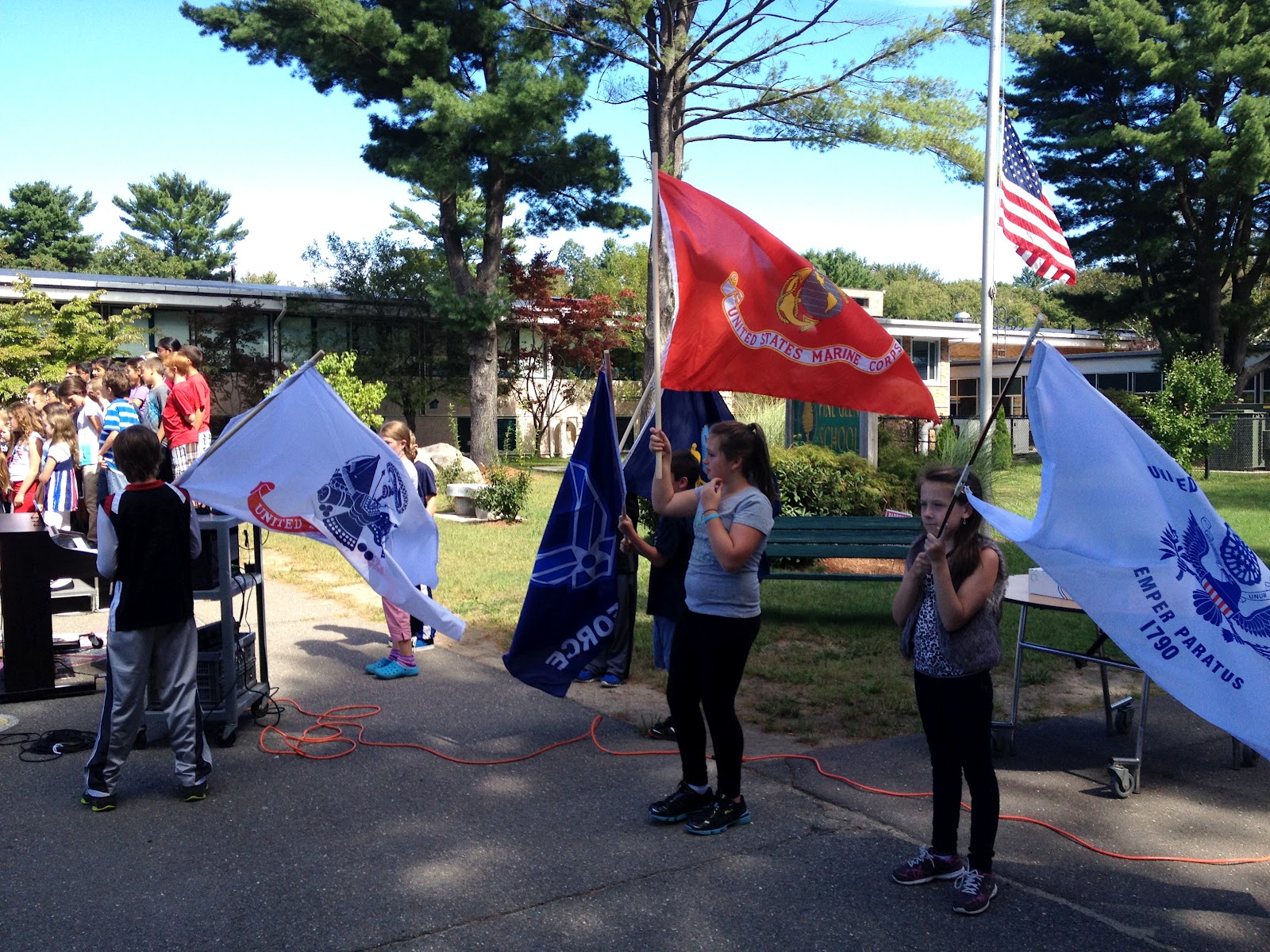
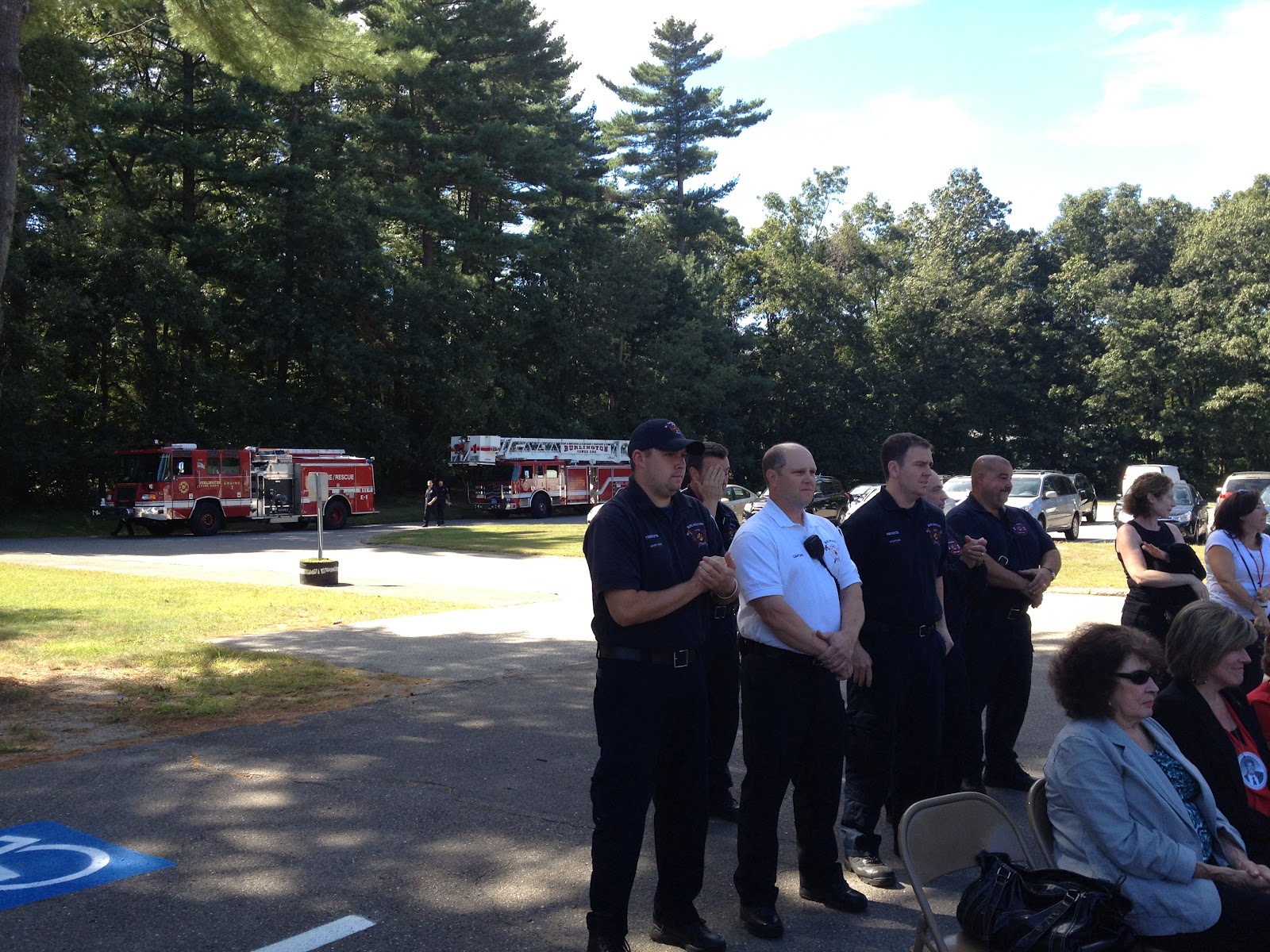
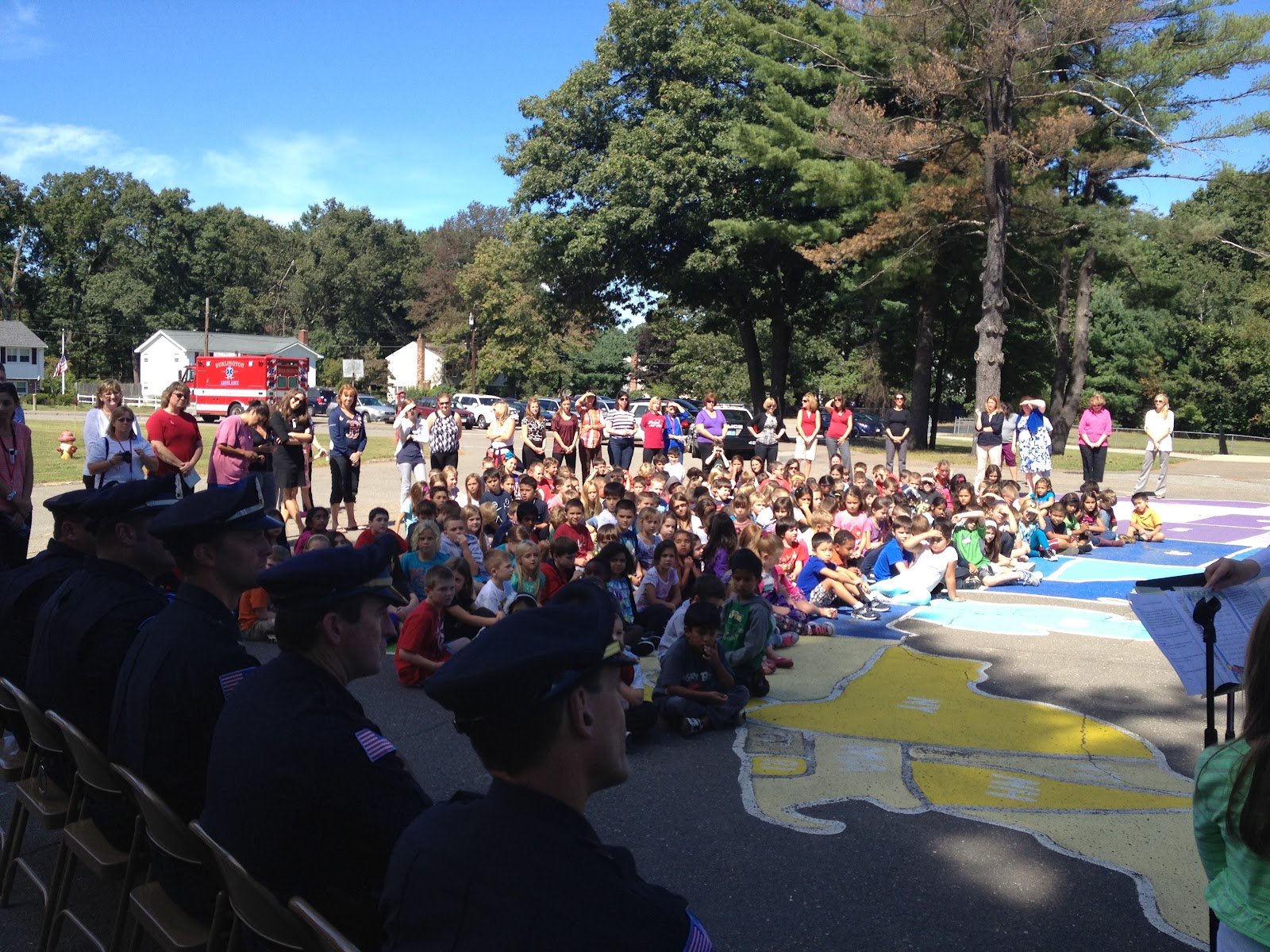
Hero Assembly 2012

Today (9/11/112) we had our Hero’s Assembly at Pine Glen Elementary School.  On this day we say thank you to the police officers and firefighters in our community that help keep us safe.  We also say thank you to the brave men and women in our military forces that keep us safe.  In addition, we remember Lieutenant Commander Thomas McGuinness, an F-14 Fighter Pilot and alumni of Pine Glen Elementary School.  Thomas left our Pine Glen Community on September 11, 2001 when he was acting as the co-pilot of Flight 11. 
In the first picture above is our music teacher, Mrs. Agati, who can been seen directing students in the musical performances.  Other pictures include students holding flags of the different military branches (Navy, Marines, Army, Air Force, Cost Guard), students sitting at the assembly, and Burlington Public Safety Officials.  

How-To Video Series – Accessing Microsoft Attachments When All I Have Is Google

I am in the process of creating some How-To videos One of the changes here in the Burlington Public Schools this year is that we are no longer supporting Microsoft Office. This is a big change for folks that have been utilizing this resource for many years. Despite the fact that we do not have Microsoft Office, we can still receive and access Microsoft documents in Google Drive. The video below shows folks how they can drag Microsoft Office attachments into their Google Drive and access them. Please feel free to let me know if there are other Google-related questions you have.

Enhanced by Zemanta

Staff and Students At Pine Glen Are Building Community By Filling Buckets

From The Pine Glen Principal’s Blog:

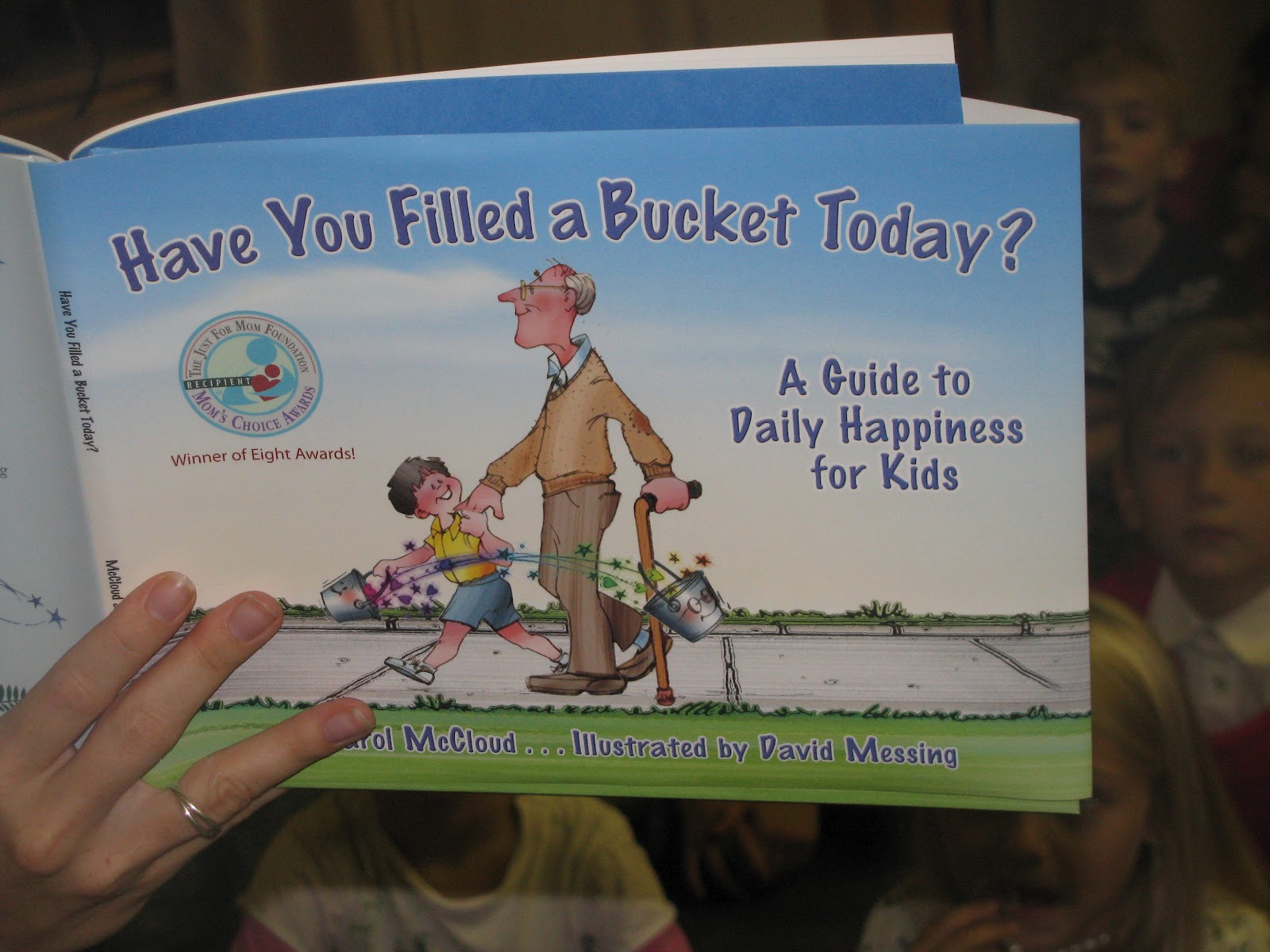
Check out the letter below from Pine Glen School Psychologist Lee Garneau explaining this great program that was made possible through a grant from the Burlington Education Foundation.

We’re Filling Buckets!
September 10, 2012
Dear Families,

I hope you had a wonderful summer and are rested and ready for the new
school year.

At the end of the last year I was awarded a Burlington Education Foundation
grant as well as supplemental money from the Pine Glen PTO to implement a
school wide positive behavior program. The “We’re Filling Buckets!” program has
been designed to foster a greater sense of community. By utilizing the theme
from Carol McCloud’s book, “Have You Filled a Bucket Today?”, students and
staff will spend the year recognizing positive behaviors towards themselves and
others. My intention is enhance our school community environment by
highlighting good citizenship behaviors.

For those of you who have not yet read
the book (I encourage you to do so, if you have the opportunity), Bucket
Filling is a simple concept… “Everyone in the whole wide world walks around
carrying an invisible bucket…Its purpose is to hold your good thoughts and
feelings about yourself.” Our buckets are filled when we show acts of kindness
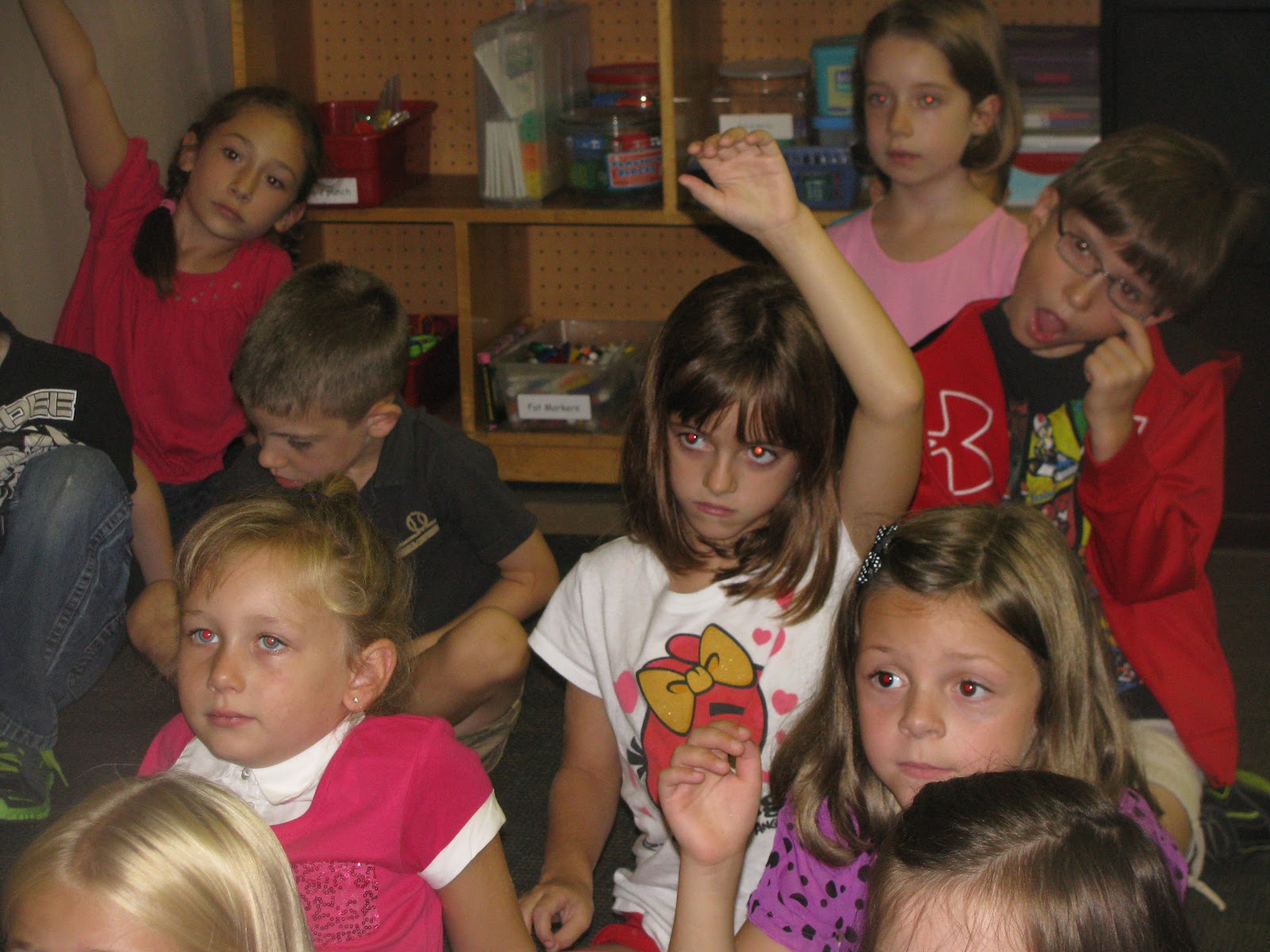
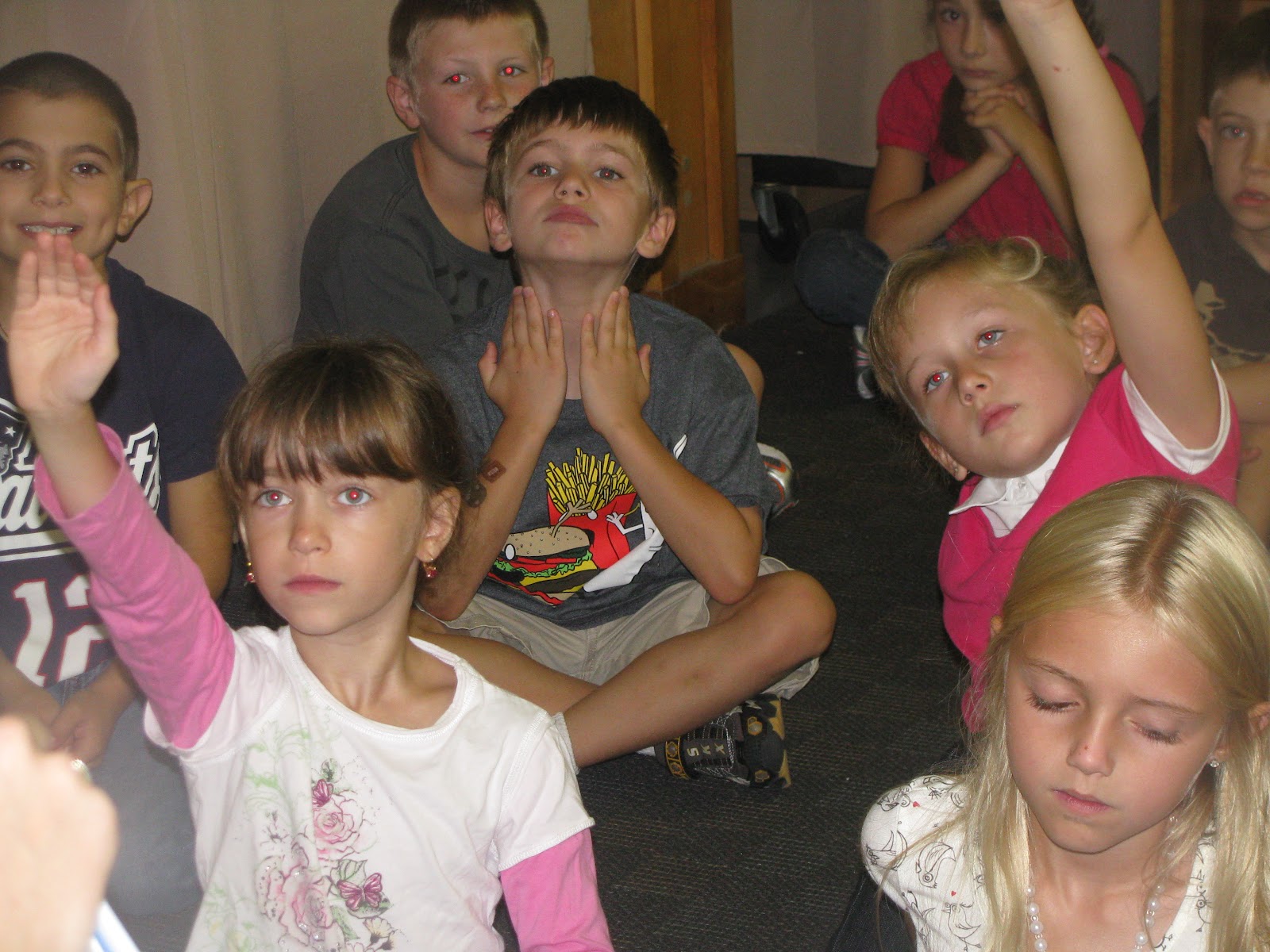
and respect towards one another. I have visited each classroom this year and
explained this new program to the students and they have all listed many ways
we can practice being good bucket fillers.
If you would like to
learn more about bucket filling, visit the Bucket Fillers website,
www.bucketfillers101.com.

Small buckets have been provided to each classroom and staff have been asked
to present small recognition slips to students who exemplify behaviors
consistent with good citizenship/filling buckets. I will be going around to
each classroom collecting the bucket slips on a consistent basis and creating a
visual representation by the front entrance of all the buckets we fill at Pine
Glen. The students are working to beat my goal of filling 1,000 buckets this
year. The program will culminate with a special school wide presentation in
June.

I have also created a blog this year to document our bucket filling at Pine
Glen as well as serve as a resource for our families with information about
relevant mental health topics, school/community events, etc. Please take a
moment to check it out at http://pineglenschoolpsych.blogspot.com

As always, if you have any questions, please do not hesitate to contact me. I look
forward to working with the students again and hope we fill many buckets this
year!
Sincerely,
Lea Garneau,
M.Ed., Ed.S., NCSP
School
Psychologist
Pine Glen
Elementary School
781-505-1128
Enhanced by Zemanta